
 English
 Pусский
How Grinding Ultra-Fine Powder Helps Create Advanced Color Cosmetic Formulas
Time: Sep 18, 2026
Content
A color cosmetics formulator balances a batch of vibrant eyeshadows with pressed pigments. The dispersion of red iron oxide is uneven, leading to a non-uniform appearance of the pressed cake. This is a common pain point in the production of high-pigment cosmetics. The root cause often lies in insufficient particle size reduction. This problem is directly solved by superfine powder grinding, which mechanically reduces pigment particle size to a D50 of less than 5 micrometers. It improves color uniformity, increases pigment loading capacity, and reduces the need for additional dispersants. For manufacturers seeking superior color performance, this process is a baseline, not an upgrade.
The Critical Link Between Particle Size and Color Performance
Particle size distribution (PSD) is the single most influential physical parameter in color cosmetics. It directly determines how light interacts with the pigment, which in turn defines perceived color intensity, shade purity, and coverage. When particles are too large (above 10–15 microns), the pigment scatters light inefficiently. The result is a dull, muddy appearance even at high pigment loading. Conversely, particles smaller than 2 microns can lead to excessive oil absorption and a dry feel upon application.
The optimal range for most high-performance pressed powders and eyeshadows is 2 to 5 microns. Superfine grinding consistently achieves this range. The controlled grinding process breaks down agglomerates without damaging the primary crystal structure, preserving the pigment's intrinsic color properties. It is this balance between fineness and functional performance that leads cosmetic engineers to choose superfine grinding as a critical control point.
A consistent D50 of 2 to 5 microns is the standard for premium color cosmetics. This range maximizes color intensity while preserving blendability and skin feel.
| Method | Typical D50 (microns) | Energy per kg | Heat generation | Pigment purity risk |
| Ball milling | 5 – 15 | Moderate | Low | Media wear |
| Jet milling | 1 – 5 | High | Low | Low |
| Mechanical impact (superfine) | 2 – 8 | Low | Moderate | Very low |
How Superfine Grinding Unlocks Pigment Potential
Superfine grinding splits pigment agglomerates into individual primary particles, significantly increasing the available surface area. This transformation allows the same mass of pigment to deliver a much more intense color. Formulation costs can be reduced by 15 percent, because less pigment is required to achieve the same color intensity. Dispersion also becomes more stable over time, reducing color drift during storage and improving batch-to-batch uniformity.
The same process also removes hard-to-disperse lumps that cause streaking in pressed cakes. Superfine powder fills the mold more evenly under pressure, resulting in a smoother surface and fewer pressing defects. For manufacturers scaling up new shades, this reliability directly translates to shorter ramp-up times and lower reject rates.
Traditional coarse milling
- D50 often above 12 microns
- Uneven dispersion, visible speckles
- Higher pigment required for target color
- Common pressing defects such as edge chipping
Superfine grinding
- D50 controlled from 2 to 5 microns
- Uniform dispersion, no visible agglomerates
- Lower pigment usage, cost savings
- Flawless pressing surface, minimal rejects
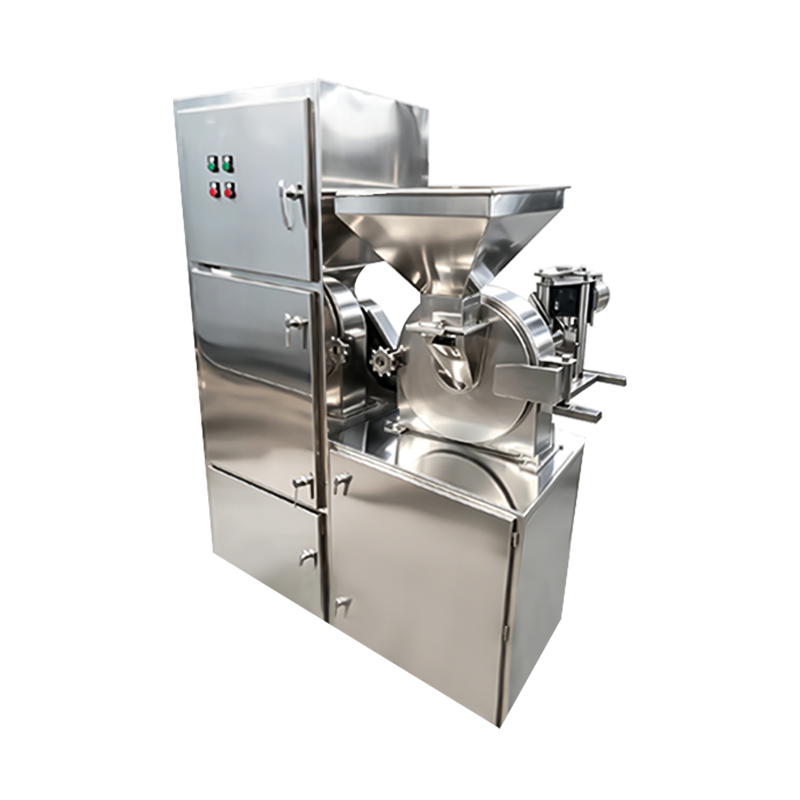
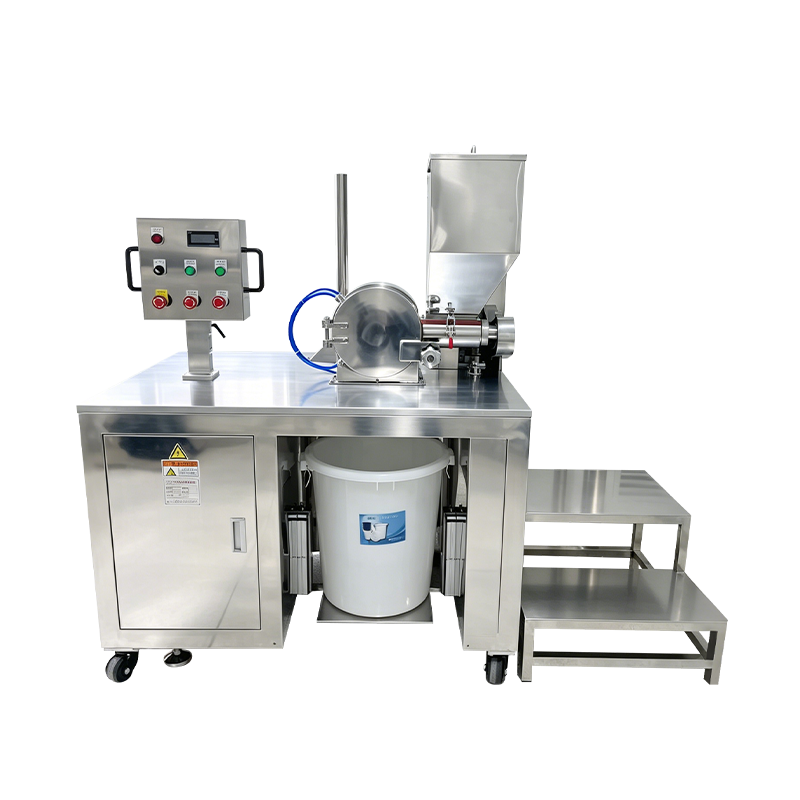 Superfine Cosmetic Powder Pulverizer with Screw Feeder Eliminates lumps and streaking by achieving uniform particle size at 7500 rpm, with adjustable feeding and cooling to unlock full color potential for consistent pressed cakes. View product →
Formulators who switch to superfine grinding consistently report a brighter final product. The technology is not just about reducing particle size; it is about unlocking the full color potential already present in the pigment chemistry. For a deeper understanding of common obstacles in powder processing, see our article powder processing challenges in cosmetic manufacturing .
Process Stability Through Controlled Grinding
Consistency is the foundation of commercial cosmetic production. Even minor batch-to-batch differences in particle size can cause visible color shifts that lead to costly rework or batch rejection. Superfine grinding ensures this consistency through tight control of feed rate, rotor speed, and classifier settings. A well-equipped pulverizer can achieve a CV of less than 5 percent for D50 across multiple runs, which is the industry benchmark for high-quality color lines.
2 – 5 μm D50 range
< 5% Batch summary
50 – 200 kg/h Typical throughput
15% Pigment savings
1
Controlled feeding into the grinding chamber
2
High-speed impact and shear agglomerates
3
Integrated air classifier returns oversized particles
4
Collection of uniform fine powder
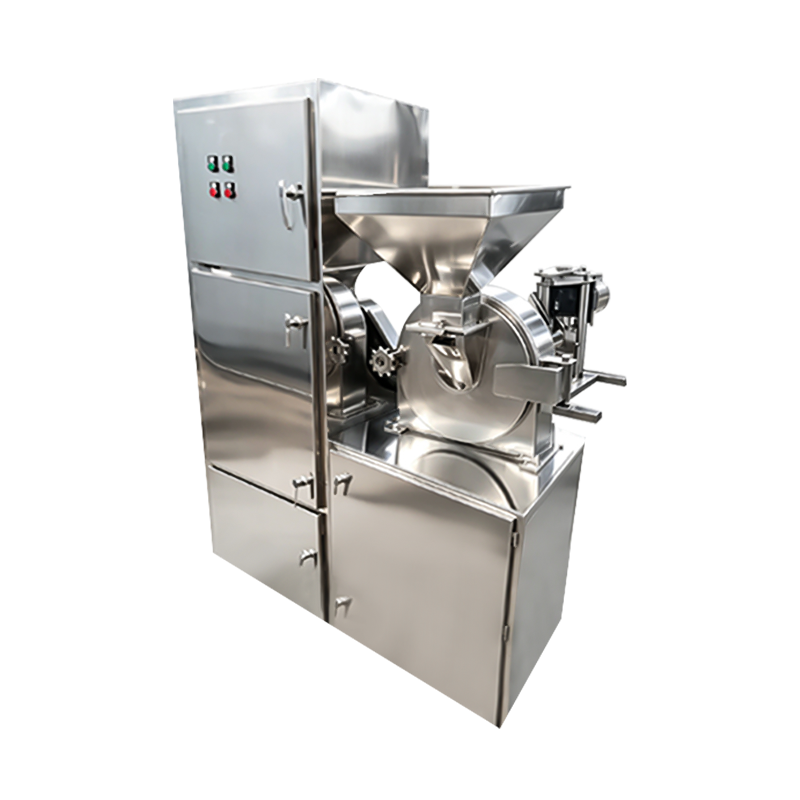 Universal Powder Grinder Machine for Cosmetic Pigments Provides initial grinding with a vertical design and stainless steel body, delivering 60–120 mesh fineness to ensure uniform color from batch to batch on high-tech production lines. View product →
Real-time particle size monitoring systems can now report adjustments during the grinding process. This closed-loop approach eliminates drift that occurs as blades wear or feed properties change. The result is a powder that behaves identically during pressing, regardless of when it was ground. This level of consistency is what brand owners demand when scaling from laboratory trials to full production.
Seamless Integration into Full Production Lines
Superfine grinding does not happen in isolation. It functions as part of a broader production sequence that includes mixing, oil binding, and pressing. The quality of the ground powder directly affects the efficiency of subsequent stages. For example, uniform superfine powder absorbs binding oils more evenly, reducing oil migration during storage and improving the compressive strength of the final pressed cake. Such integration requires equipment capable of handling various pigment types without cross-contamination and with rapid color changeover.
Combining grinding with automatic feeding, mixing, and pressing forms a fully enclosed production line with dust control that minimizes waste and ensures operator safety.
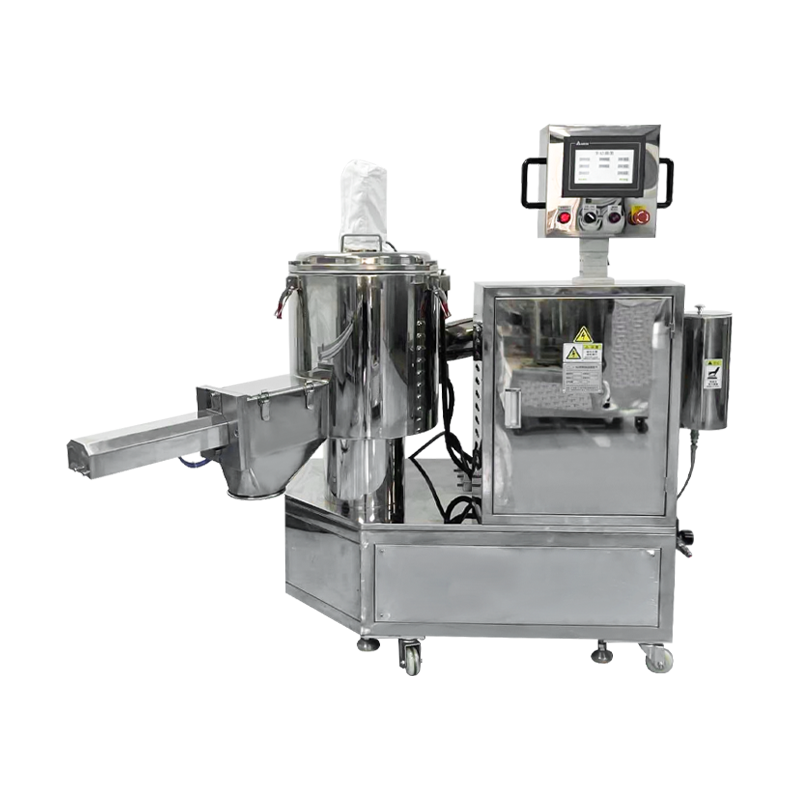 High Shear Powder Mixer with Oil Spraying System Integrates automatic lid closing, discharging, and oil spraying to synchronize with downstream automation, ensuring continuous dust-controlled production with adjustable speed from 178 to 2980 rpm. View product →
Line integration also determines overall equipment effectiveness. When grinding is synchronized with downstream automation, manufacturers can achieve continuous production rather than batch stops. This approach reduces downtime and improves output consistency. To learn how automation optimizes the entire powder production workflow, see how automation improves cosmetic powder production efficiency .
Frequently Asked Questions
What particle size is ideal for eyeshadows with pressed pigments?
The ideal D50 range is 2 to 5 microns. This size ensures strong color intensity, smooth application, and reliable pressing. Fineness below 2 microns often leads to excessive oil absorption.
Can superfine grinding reduce pigment cost?
Yes. Because superfine particles deliver more intense color per unit mass, formulators typically achieve the same saturation using 10–15 percent less pigment, directly reducing raw material costs.
How is batch stability improved with controlled grinding?
A properly calibrated superfine grinder maintains a coefficient of variation for D50 of less than 5 percent between batches. This precision eliminates color drift and reduces reject rates during production.
Is superfine grinding suitable for both organic and inorganic pigments?
Yes. Mechanical impact milling effectively processes both pigment types without altering chemical structure. Inorganic oxides and organic lakes can be ground to the target range of 2 to 5 microns.
Recommended NEWS:
Powder Processing Challenges in Cosmetic Manufacturing and How to Address Them
How to Build an Efficient Production Line for Pressed Powder Cosmetics
How Automation Improves Efficiency Across the Cosmetic Powder Production Process
How Fully Automatic Pan Loading Machines Improve Cosmetic Powder Pressing Lines
How Compact Powder Pressing Machines Optimize Small-Batch Cosmetic Manufacturing
How Circulation Drying Ovens Improve Pressed Powder Production Quality
Related products
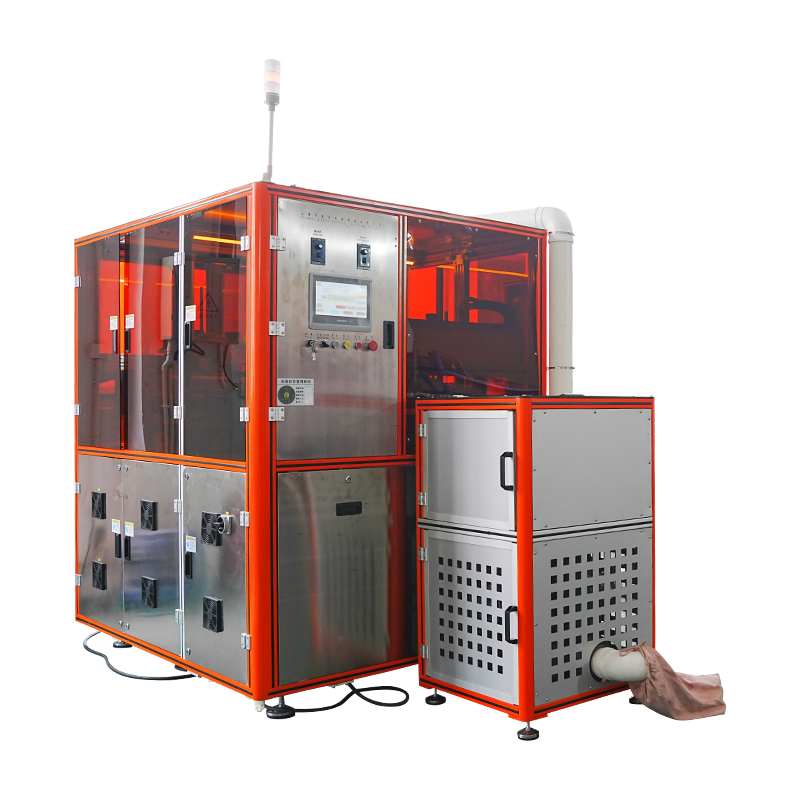
Copyright © Shanghai Qimeida Machinery Technology Co., Ltd. All Rights Reserved.
Custom Professional Cosmetic Machinery Manufacturers
