Rotary Table Pressing System Equipment Series R

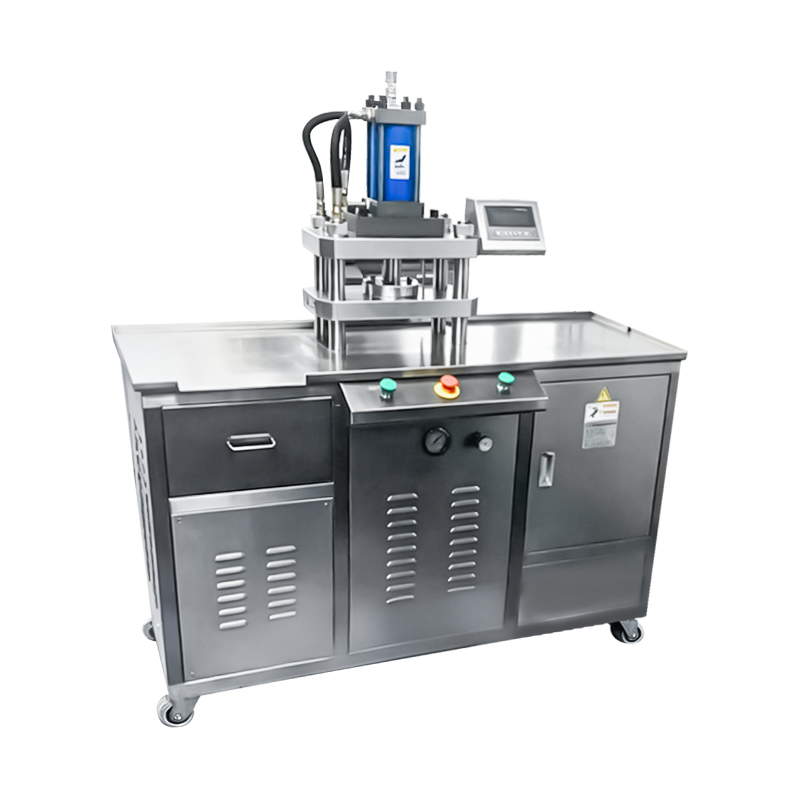
Rotary Cosmetic Powder Pressing Machine

A continuous rotary platform carrying multiple pressing positions that move through filling, pressing, and ejection zones without stopping the table. The machine is built for sustained output of pressed cosmetic powder, including eyeshadow, blush, foundation, and highlighter, with per-position pressure monitoring and recipe-driven process control.

2,400 to 9,600 units per hour across the rotary platform
16 to 48 pressing positions per rotary table
0.1 mm indexing repeatability across all positions

Continuous Motion

The rotary table indexes while pressing occurs, so filling, compaction, and discharge run in overlapping sequence rather than discrete steps.

Position Level Control

Each pressing position carries its own pressure sensor, dwell value, and ejection stroke, all addressed separately through the machine control system.

Campaign Based Production

Recipes can be assigned to position groups so that one rotary cycle produces several SKUs in parallel for the duration of a production campaign.

Machine Layout

Functional zones arranged around the rotary platform.

Zone A

Powder Dosing

Servo driven auger heads align with each position as the table rotates. Filling is triggered by position sensors, and dose weight is verified through an inline check weigher before the table advances to the pressing zone.

  • Filling accuracy within plus or minus 0.04 g
  • Separate hopper per formulation
  • Automatic hopper level feedback
Zone B

Rotary Pressing

Upper and lower punches follow cam or servo driven profiles depending on configuration. Pressure is applied progressively as the position travels through the pressing arc, which reduces powder splash and improves cake integrity.

  • Pressure range 3 to 15 tons per position
  • Servo or cam actuation options
  • Independent dwell setting per position
Zone C

Ejection and Discharge

Pressed pans are lifted from the die by a synchronized ejector and transferred to a discharge conveyor or pick and place unit. Rejected units are diverted at the same station without interrupting table rotation.

  • Pneumatic or servo ejection
  • Position linked reject gate
  • Compatible with robotic take out

Specification Overview

Values shown for standard configurations. Position count and pressure range are defined per project.

Pressing Positions 16, 24, 32, 40, or 48 positions
Pressure Per Position 3 to 15 tons, servo hydraulic actuation
Output Range 2,400 to 9,600 units per hour depending on format
Pan Diameter 18 mm to 90 mm round, rectangular formats available
Indexing Repeatability Within 0.1 mm at each pressing position
Filling Accuracy Plus or minus 0.04 g per position with inline check
Control Platform PLC based, 15 inch HMI, recipe and data logging functions
Data Interface OPC UA and CSV export for batch documentation
Tooling Interface Standardized punch and die mounting across positions
Changeover Time 30 to 60 minutes for a full tooling set replacement
Safety Systems Category 3 PLd guarding, interlocks at all access points
Utilities 380 V, 3-phase, 15 to 30 kW; air at 0.6 to 0.8 MPa

Production Fit

Where rotary pressing is applied in cosmetic manufacturing.

High Volume Shade Runs

Continuous rotation suits long runs of a single shade, keeping output stable across shifts without the start and stop losses found on single station presses.

Parallel SKU Campaigns

Position groups can be assigned different formulations or pan formats, so a single rotary platform produces several SKUs in the same production window.

Compact and Foundation Pans

Applied to compact powder and powder foundation where consistent density and clean edges are required across large volumes.

Palette Component Production

Individual pans for multi color palettes are pressed in position groups, then transferred to downstream assembly for palette loading.

Contract Manufacturing Lines

Suits production environments serving multiple brands, where recipe recall per position and batch level reporting reduce changeover effort.

Mineral and Pressed Pigment

Used for mineral powders and pressed pigments where low pressure ranges and longer dwell values are required to avoid cracking.

Operational Reference

Situations encountered during rotary pressing and the corresponding actions.

Weight variation between positions

Run the per position calibration routine for the affected auger head. Confirm powder bulk density has not shifted between batches. Inspect the auger screw and the dosing barrel for wear or powder build up. Cross check the position check weigher against a reference balance.

Table indexing stops mid cycle

Check the indexer drive alarm history on the HMI. Inspect the mechanical locking pin and the position sensor for debris. Verify the servo drive has no overload condition. Confirm the table bearing lubrication interval has been observed.

Cake edges crack after pressing

Extend the dwell value for the affected position group. Reduce the press approach speed. Verify punch and die clearance is within specification. Check powder moisture content, which should remain between 1 and 3 percent.

Powder contamination between positions

Inspect the position shields and the table top surface for powder carryover. Verify the vacuum extraction points are clear. Clean the die table between campaigns and check that hopper lids remain closed during production.

Ejection leaves residue in the die

Check the ejection stroke against the pan depth. Polish the die wall and inspect for scoring. Apply the specified die lubricant at the recommended interval. Confirm the lower punch returns fully before the next fill cycle.

Line Integration

Points that affect how the rotary press connects to surrounding equipment.

Upstream Powder Supply

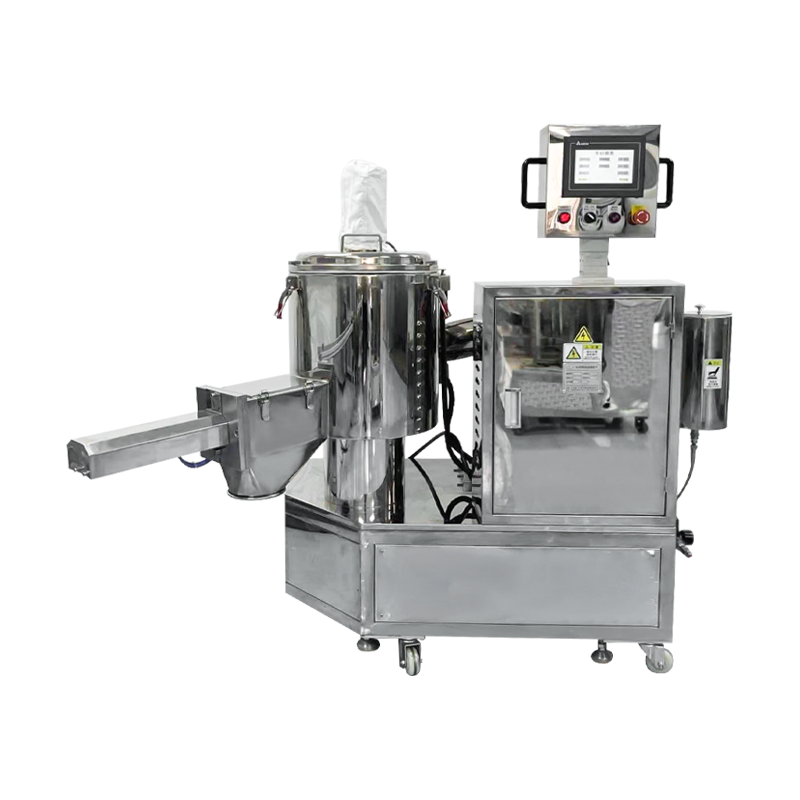
The rotary press draws from a buffer hopper fed by blending or conveying equipment. Level sensors maintain consistent supply and prevent starvation at high rotation speeds.

Downstream Take Out

Pressed pans discharge onto a conveyor or into a pick and place unit. Position identified signals support downstream sorting, tray loading, or palette assembly.

Data and Traceability

Position level production data is logged per batch. Records can be pushed to MES or ERP systems to support quality documentation and yield analysis.

Maintenance Planning

Recommended intervals include hydraulic oil analysis every 2,000 hours, punch and die inspection every 500 hours, and rotary bearing service every 1,500 hours.
Company Profile

Why Choose Shanghai Qimeida Machinery Technology Co., Ltd.

Shanghai Qimeida Machinery Technology Co., Ltd. specializes in the design and manufacturing of automatic cosmetic production machinery. With a focus on cosmetic powder pressing solutions and customized equipment development, we serve cosmetic manufacturers, OEM/ODM factories, and production facilities seeking equipment suited to their manufacturing requirements.

We are China Rotary Cosmetic Powder Pressing Machine OEM/ODM Manufacturers and Custom Rotary Cosmetic Powder Pressing Machine OEM/ODM Suppliers, Factory. Our business combines cosmetic machinery engineering experience, equipment manufacturing, customized project development, and technical support for international customers.

Shanghai Qimeida Machinery Technology company
10+ Years of Industry Experience
10+Years of Industry Experience
100+Units in Annual Sales
30+Countries Exported To
Automatic cosmetic machinery manufacturing
01

Specialized Cosmetic Machinery Manufacturing

Qimeida focuses on automatic cosmetic production equipment, particularly machinery used in color cosmetic manufacturing and powder pressing processes. Our equipment solutions are developed for production applications involving products such as pressed powder, blush, and eyeshadow, depending on the equipment configuration.

By focusing on cosmetic manufacturing processes, we help customers evaluate equipment requirements in relation to product specifications, production methods, and operational workflows.

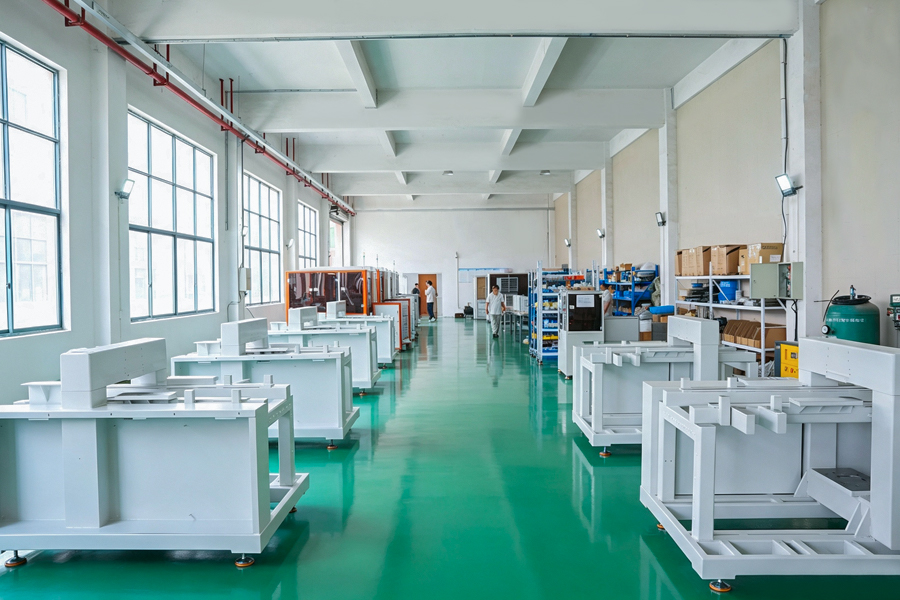
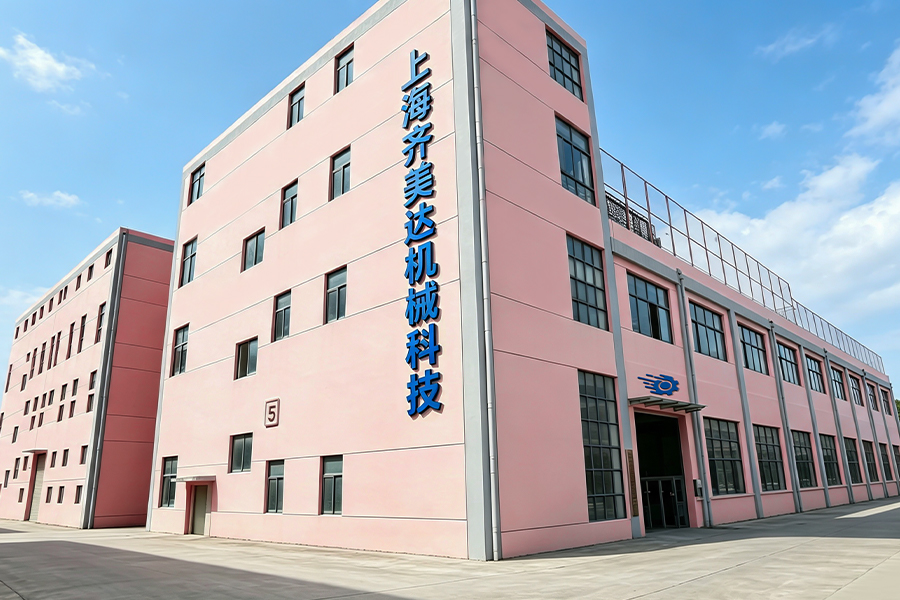
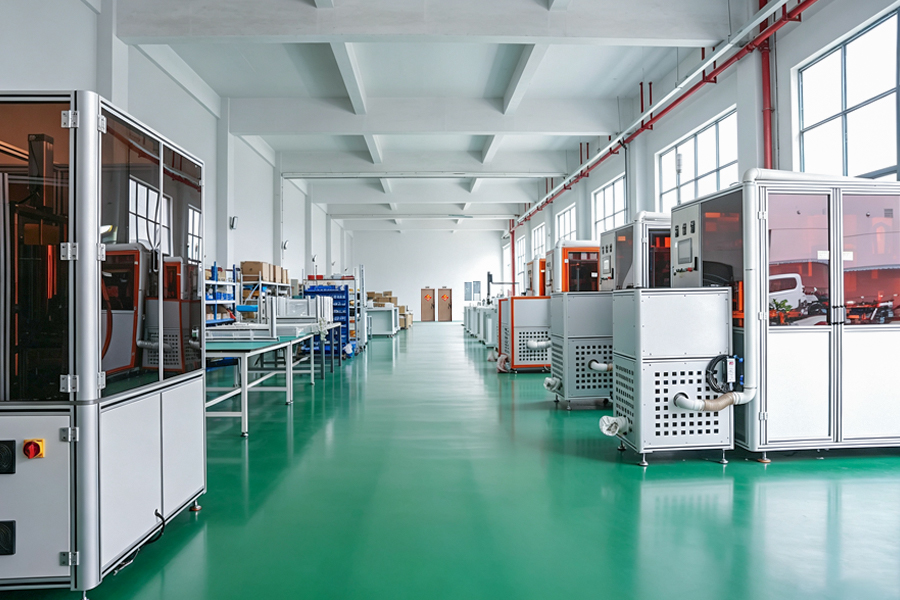
Qimeida factory site with over 10 years of experience
02

Over 10 Years of Industry Experience

With more than 10 years of industry experience, Qimeida brings engineering and manufacturing knowledge to cosmetic machinery projects. This experience supports communication with customers regarding equipment configurations, production requirements, and technical considerations.

For OEM and ODM manufacturers, equipment selection involves more than matching a machine to a product name. Factors such as product dimensions, tooling requirements, operating procedures, and production targets also need to be considered during project discussions.

100+ 03

Annual Sales Volume of More Than 100 Units

Qimeida reports annual sales of more than 100 units. This figure provides an indication of the company's equipment sales activity and market reach.

For business customers planning equipment purchases, order quantities, equipment configurations, delivery schedules, and project requirements can be discussed before an order is confirmed. Actual production and delivery arrangements depend on the equipment specification and order scope.

30+ 04

Export Experience Across More Than 30 Countries

Qimeida reports that its equipment has been exported to more than 30 countries. Its international business provides a foundation for serving customers in different markets and communicating with overseas equipment buyers.

For international projects, customers can discuss equipment specifications, technical documentation, export packaging, shipping arrangements, and delivery requirements according to the destination market and project conditions.

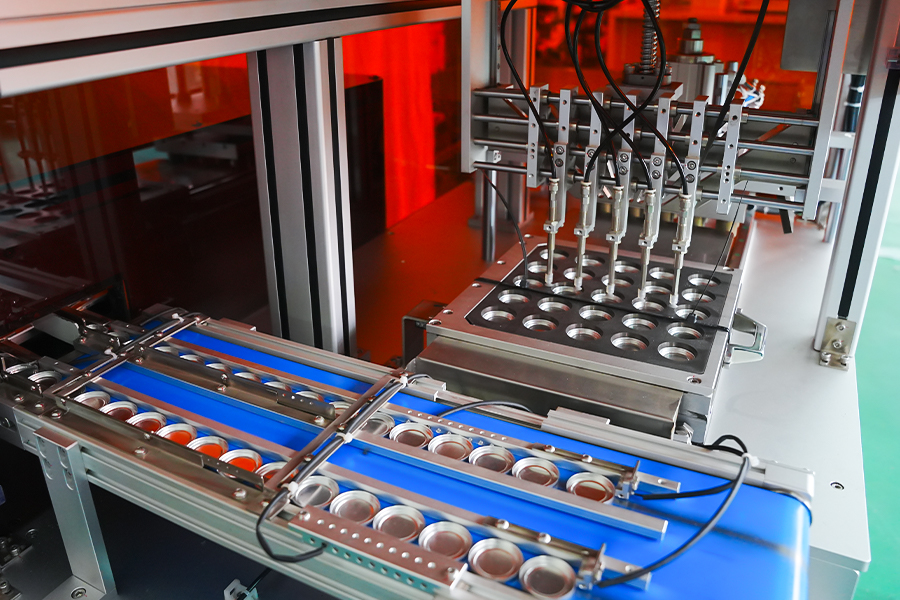
Customized cosmetic equipment details
05

Customized Equipment Development

Different cosmetic products and manufacturing processes may require different equipment configurations. Qimeida provides customized equipment solutions based on customer requirements, including product specifications, manufacturing processes, and equipment application needs.

During project discussions, customers can communicate their production objectives, tooling requirements, product dimensions, and expected operating conditions. These details help establish the technical requirements for evaluating a suitable equipment configuration.

The scope of customization depends on the project, equipment model, and engineering requirements.

06

Technical Support and After-Sales Assistance

Technical support is an important part of equipment procurement, particularly for overseas customers who may need assistance during installation, commissioning, and daily operation.

Qimeida identifies installation guidance, technical training, remote assistance, and ongoing service among its support offerings. Customers can discuss the available support arrangements, training requirements, and technical documentation during the equipment purchasing process.

Clear communication about equipment operation and maintenance requirements helps customers prepare for equipment integration into their production facilities.

07

Equipment Solutions for Cosmetic OEM and ODM Manufacturers

Cosmetic OEM and ODM manufacturers often work with different product formulations, packaging specifications, and production schedules. Their equipment requirements may therefore vary according to the products being manufactured and the processes involved.

Qimeida works with customers to understand their manufacturing requirements and discuss relevant equipment solutions. Project evaluation can take into account product specifications, tooling arrangements, operating procedures, and production targets.

By communicating these requirements before equipment procurement, customers can better assess equipment suitability and identify the technical details that need to be confirmed before production begins.

Working with Qimeida

Whether you are planning a new cosmetic production line, upgrading existing equipment, or evaluating machinery for a specific powder pressing application, the first step is to define your product specifications and manufacturing requirements.

Contact Shanghai Qimeida Machinery Technology Co., Ltd. to discuss your equipment application, customization needs, technical requirements, and project details.

Message Feedback