English
 Pусский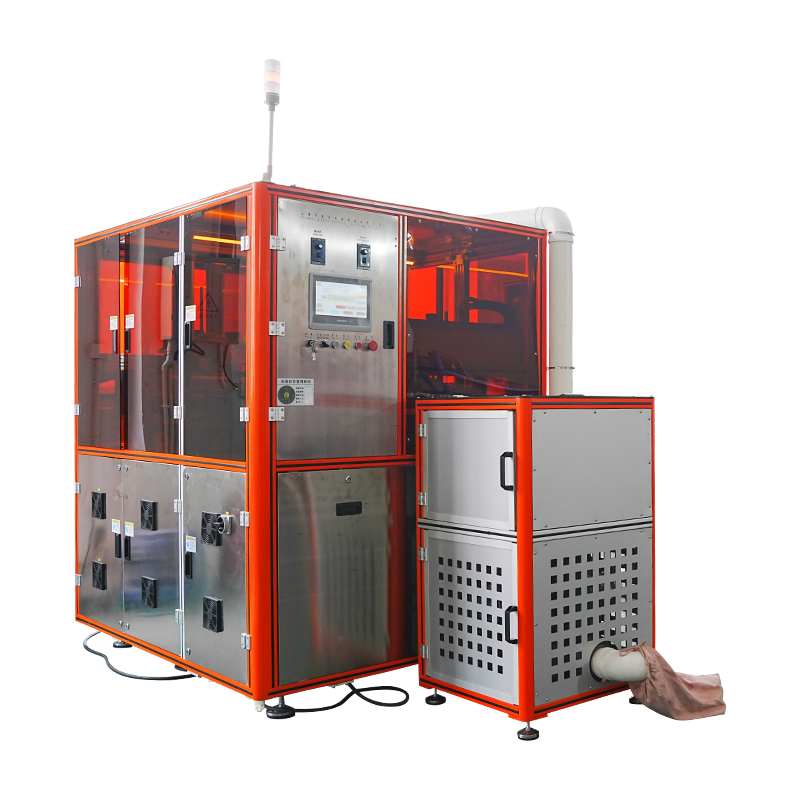
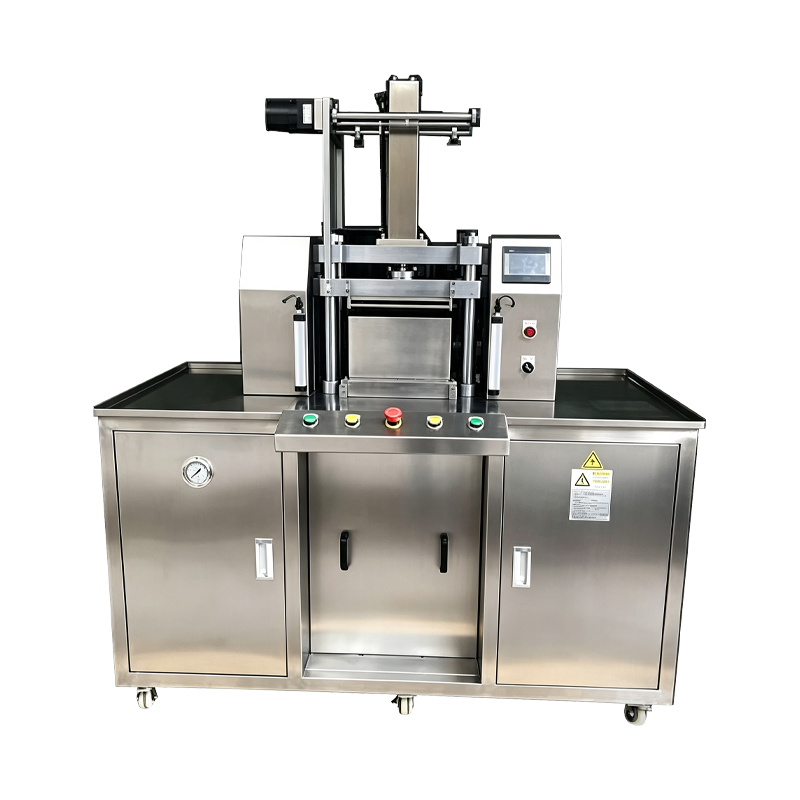
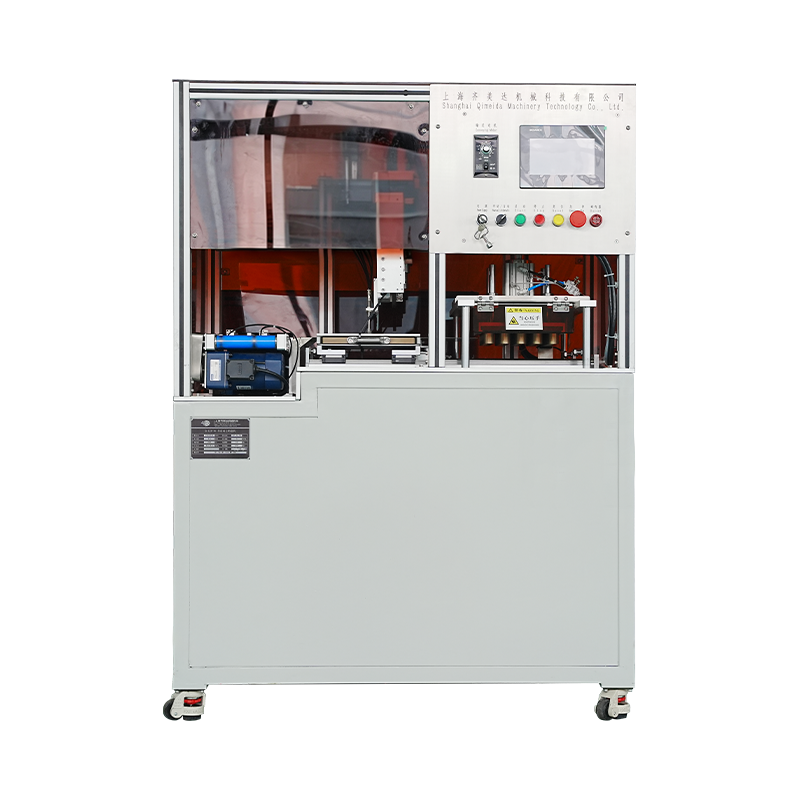
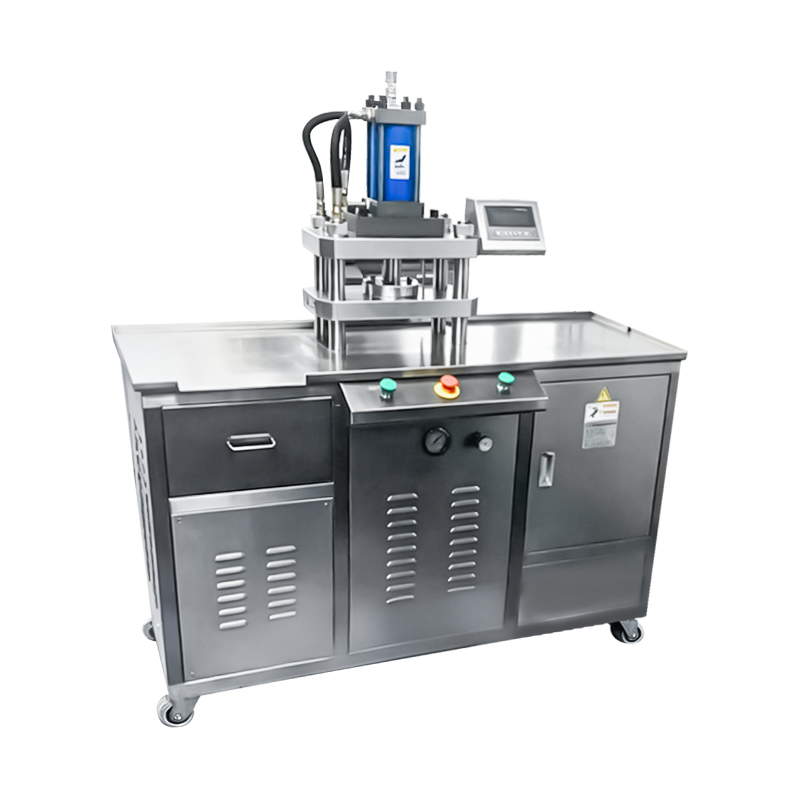
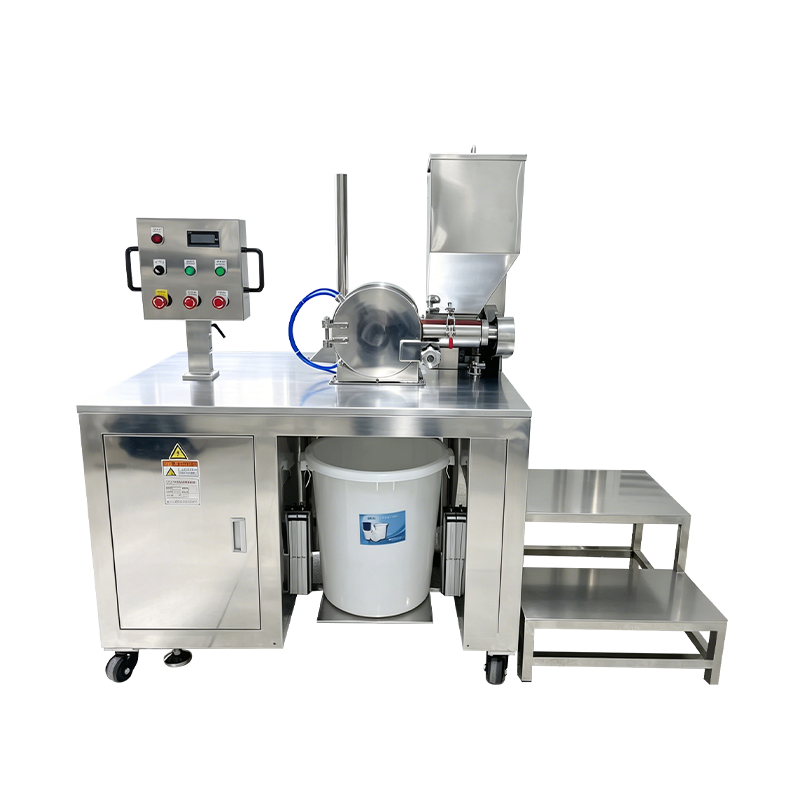
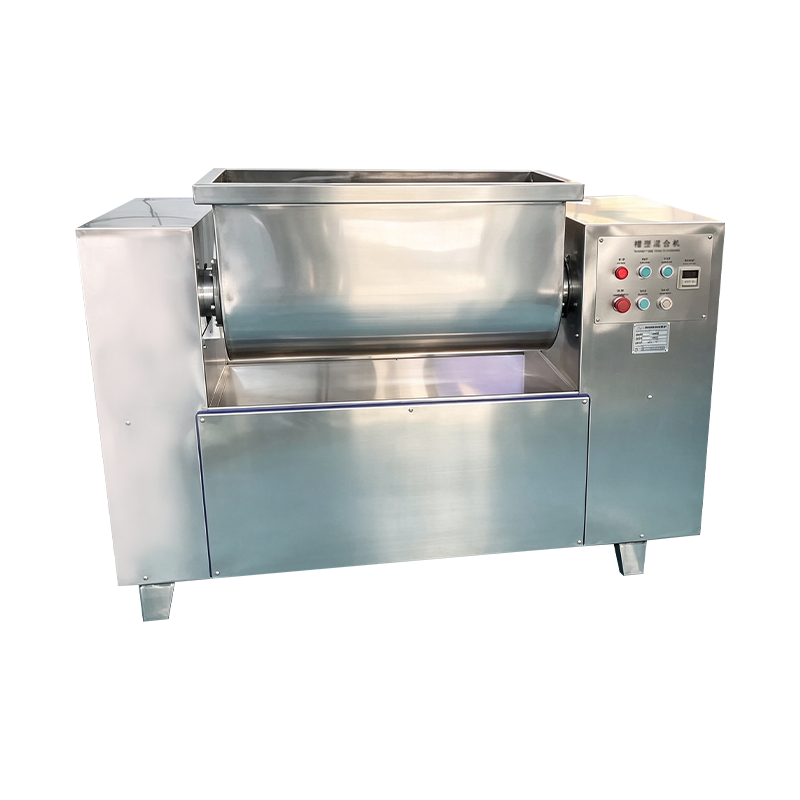
Pan Loading
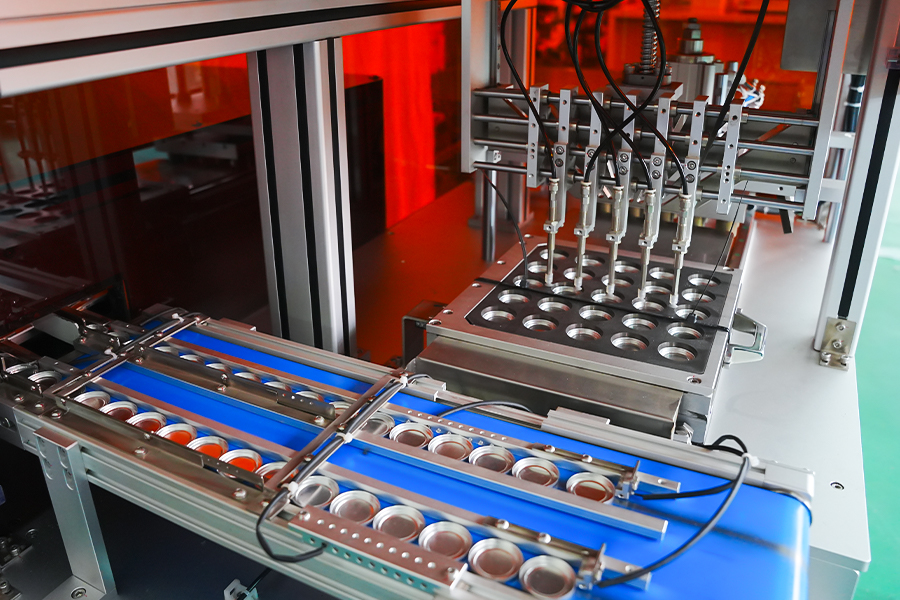
Empty pans are fed from a magazine or vibratory bowl into the indexing plate. Pan presence is confirmed by sensor before the cycle proceeds to the fill station.
Powder Dosing
Servo driven auger fills each pan to the recipe weight. The fill value is verified by an inline check weigher, and out of tolerance pans are flagged for rejection.
Leveling
A scraper or vibration plate levels the powder bed inside the pan. This step reduces density variation before the punch contacts the powder surface.
Pressing
The upper punch descends to the set force and holds for the recipe dwell value. Pressure and position data are recorded for each individual pan.
Ejection
The pressed pan is lifted from the die and transferred to a discharge conveyor or tray loading unit. Ejection stroke is set per pan depth.
Verification
Pan height, weight, and surface condition are checked at an inspection point. Data is linked to the batch record for traceability.
Core Capabilities
Functions configured for eyeshadow pan production.
Shaped Pan Tooling
Round, square, rectangular, oval, and custom shaped pan tooling supported through an interchangeable die plate. Changeover follows a documented tooling procedure.
Shade Specific Recipes
Each shade and formulation stores its own fill weight, force, dwell time, and ejection setting. Recipe recall is done from the HMI without mechanical adjustment.
Multi Pan Palette Filling
The indexing plate can carry multiple pan positions, so several shades for a single palette are filled and pressed in the same cycle group.
Embossed Surface Pressing
Upper punches with logo, pattern, or dome geometry are supported. Approach speed and compaction gradient are reduced for relief tooling.
Inline Weight Checking
A check weigher after the fill station confirms pan weight against the recipe value. Out of tolerance pans are diverted before pressing.
Batch Level Reporting
Fill weight, pressing force, pan count, and reject counts are logged per batch. Data can be exported through OPC UA or CSV for quality review.
Technical Data
Standard configuration values. Pan size, force range, and tooling are defined per project.
Production Fit
Where the eyeshadow pressing machine is deployed in cosmetic manufacturing.
Single Shade Volume Runs
Long runs of a single shade on standard pan sizes, with output stability maintained across shifts and consistent pan hardness.
Palette Bound Production
Multi shade palettes where several pans are produced and assembled in a coordinated sequence for a single palette format.
Seasonal and Limited Range
Smaller batch campaigns where recipe recall and short changeover times support frequent transitions between shades and pan formats.
Embossed and Specialty Pans
Pans with surface relief, dome geometry, or textured finish, where pressing parameters are tuned to protect the punch detail.
Sample and Promotional Units
Reduced force settings and shorter cycles for sample pans and promotional formats, without changing the machine setup.
Multi Line Coexistence
Deployed alongside other pressing platforms where eyeshadow formats require a dedicated line for dedicated tooling and recipes.
Frequently Asked Questions
Common questions raised during evaluation and line integration. Select a question to expand the answer.
Which eyeshadow pan formats can the machine handle
Round, square, rectangular, oval, and custom shaped pans are supported through interchangeable die plates. Standard range covers 15 mm to 45 mm diameter or equivalent footprint, with larger formats available on request.
How is fill weight controlled for each pan
Powder is dosed by a servo driven auger using a volumetric fill method. An inline check weigher confirms weight against the recipe value, and out of tolerance pans are diverted before pressing. Fill weight is normally held within plus or minus 0.03 g.
Can multiple shades be produced in the same cycle
Yes. The indexing plate carries multiple pan positions, and each position can run the same or a different shade recipe. This suits palette bound production where several shades are pressed in a coordinated sequence.
What tooling changeover time should be expected
A full tooling set change typically takes 20 to 40 minutes, depending on pan shape and the number of positions to be updated. Tooling is stored by recipe code and staged before changeover to minimize downtime.
How does the machine handle embossed or domed pans
For embossed and domed tooling, the approach speed and compaction gradient are reduced, and the hold time is adjusted per recipe. This preserves surface detail on the punch face and limits cracking around the pan edge.
What data is logged per batch
Fill weight, pressing force, dwell time, pan count, and reject counts are logged per batch. Cycle level data can be exported through OPC UA or CSV for quality documentation and process review.
What maintenance intervals apply to the press
Punch and die inspection is recommended every 500 hours, auger and dosing system cleaning at every shade change, indexer calibration every 1,000 hours, and load cell verification every 12 months. Records are kept alongside the machine maintenance log.
Can the machine integrate with existing palette assembly lines
Yes. The discharge station provides a position identified signal that downstream palette assembly or tray loading equipment can use for alignment and sequencing. Integration requirements are defined during line layout planning.
Process Deviation Reference
Situations observed during eyeshadow pressing and the corresponding corrective actions.
Pan edges crack after pressing
Extend the dwell time by 0.3 to 0.8 seconds and reduce the compaction gradient. Verify punch and die clearance against the tooling record. Confirm powder moisture content remains between 1 and 3 percent.
Fill weight varies across positions
Run the per position calibration routine for the affected auger. Confirm powder bulk density consistency in the hopper and check the auger screw for wear. Verify hopper level remains above 30 percent during production.
Powder sticks to the upper punch
Reduce the pressing force by 10 to 15 percent and shorten the hold time. Polish the punch surface and confirm release angle matches tooling specification. Verify powder temperature and moisture content before production.
Pan not fully ejected from die
Verify the ejection stroke matches the pan depth setting. Inspect the ejector rod for contamination and clean the die wall. Confirm the lower punch returns fully before the next fill stage.
Embossed pattern blurs on the pan surface
Reduce the approach speed in the affected stage and lower the contact velocity. Check the punch face for powder build up and inspect for tool wear. Increase hold time slightly to allow the pattern to register before release.
Check weigher rejects exceed normal range
Verify the check weigher calibration against a reference balance. Inspect the auger and dosing barrel for powder build up. Confirm the powder supply has not shifted in particle size or moisture content between batches.
Integration Notes
Factors that affect installation, utilities, and long term operation.
Powder Supply
A buffer hopper with level feedback is recommended upstream. Powder should be dry, free of lumps, and within the specified particle size range before loading.
Downstream Transfer
The discharge station is compatible with conveyor transfer, tray loading, or robotic pick and place. A position identified signal supports downstream sorting and palette assembly alignment.
Tooling Storage
Punch and die sets should be stored in labeled racks with protective coating. Tooling records with clearance values accompany each pan format and recipe code.
Maintenance Planning
Recommended intervals cover punch and die inspection every 500 hours, indexer calibration every 1,000 hours, auger cleaning at each shade change, and load cell verification every 12 months.